Appraisals by Algorithm: Navigating the Legal and Insurance Minefield of AI Photo-Estimates
Key Highlights
- Virtual estimates rely heavily on photos and software, which cannot detect hidden structural or sensor damage, risking incomplete repairs.
- Insurers may attempt to limit liability by citing initial photo estimates, making thorough physical inspections essential for accurate damage assessment.
- State laws generally grant the right to physical inspections and recognize the importance of supplements based on actual teardown findings.
- Implementing clear disclaimers and documentation procedures helps shops protect their repair scope and legal standing during claims processing.
- Educating customers about their rights ensures they understand that initial appraisals do not limit their ability to pursue comprehensive repairs and supplements.
Last week, I was in court representing my client for her diminished value claim. As the defense attorney went after my expert witness appraiser, one of her “points” was that he, “had never even seen the car” and rather, he had “relied on pictures.” Without missing a beat, my expert replied, “That is correct. Just how insurance companies are now using pictures and an app to write estimates.” In addition to being a great answer, it gave me pause to consider that very issue.
If your shop has taken in a repair over the past month, odds are high that the customer walked through your door holding an estimate generated entirely by an app.
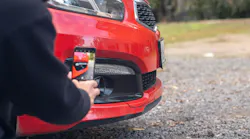
Recently, the collision industry has seen a noticeable surge in auto insurers leaning heavily on virtual appraisal tools and algorithmic estimating software. Rather than sending a field appraiser to inspect damage in person, insurers are instructing policyholders to upload smartphone photos, running those images through automated software, and issuing quick payouts or scope caps based on the initial digital render.
For auto body shops, this trend creates an immediate administrative and financial headache. For consumers, it creates a potential safety trap. And for both, it opens up critical legal and insurance compliance questions that body shops must know how to navigate.
The Problem: Virtual Estimates vs. Physical Reality
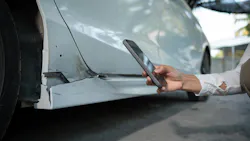
Photo-based estimating tools can capture clear surface damage: a crushed bumper cover, a shattered taillight assembly, or a creased quarter panel. What they cannot capture is structural distortion beneath the cover, compromised sensor alignments, calibration requirements, or hidden suspension damage.
When an insurer issues a photo-based estimate directly to a vehicle owner, two dangerous friction points emerge:
Expectation Anchoring: The customer assumes the insurer’s initial check represents the total cost to fix the vehicle, leading to friction when your shop performs a proper teardown and identifies necessary supplements.
Capped Initial Authorizations: Some insurance adjusters are attempting to resist legitimate supplements, arguing that line items missing from the original photo appraisal were "unverifiable" at the time of claim filing.
From a collision repair perspective, writing a final repair plan off a 2D digital image isn't just bad practice; it's impossible under modern OEM repair guidelines.
An insurer cannot contractually bind an insured or third-party claimant to a photo-based appraisal if subsequent physical inspection reveals hidden damage or mandatory OEM procedures.
The Legal Framework: What the Law Says About Damage Inspection
Insurers have a contractual duty to adjust claims in good faith and restore vehicles to their pre-loss condition using safe, industry-standard procedures. While state insurance codes permit carriers to utilize technology to streamline claims processing, no state law requires a collision shop or a consumer to accept a photo-based estimate as the definitive repair scope.
Under standard insurance regulations across most jurisdictions:
Right to Physical Inspection: Insurers maintain the right to inspect damaged property, but policyholders and their chosen repair facilities maintain the right to insist on a thorough physical inspection following a teardown.
Supplement Recognition: Supplemental claims are a routine, legally recognized component of vehicle repair. An insurer cannot contractually bind an insured or third-party claimant to a photo-based appraisal if subsequent physical inspection reveals hidden damage or mandatory OEM procedures.
Third-Party vs. First-Party Claims : If your customer is a third-party claimant (filing against the at-fault driver’s policy), the tortfeasor's insurer is legally liable for the full actual cost of repair required to make the victim whole. They cannot unilaterally cap liability based on an internal digital photo model.
When an insurer sees a clear line of sight from physical evidence to OEM mandate, the legal ground for denying the supplement collapses.
Three Action Steps for Your Shop
To protect your business, preserve your repair quality, and keep your customers informed, your shop may want to consider implementing three operational rules:
1. Establish an Explicit "Initial Estimate Disclaimer"
When intake staff greet a customer carrying an insurer's photo-estimate, provide a clear, written intake disclosure. Remind the customer that photo estimates only capture visible outer body damage, and that a formal repair plan requires a full physical teardown. Require their signature acknowledging that final repair costs will be governed by physical inspection and OEM repair procedures, not the insurer's initial app output.
2. Document Everything for the Supplement Package
When digital appraisers push back on supplements, standard repair documentation is your strongest tool. Take high-resolution photographs of hidden structural damage uncovered during teardown. Attach relevant OEM repair procedures, especially those governing sensor recalibrations, single-use part replacements, or structural pulling limits. When an insurer sees a clear line of sight from physical evidence to OEM mandate, the legal ground for denying the supplement collapses.
3. Educate the Policyholder on Their Rights
Insurers often leverage app-based estimates because consumers value speed. However, speed should never compromise occupant safety. Teach your customers that accepting an initial app payout check does not forfeit their right to file a supplemental claim once the vehicle is on your lift.
The Bottom Line
Artificial intelligence and digital photos may speed up claim intake, but they cannot weld steel, align frames, or calibrate ADAS modules. As insurers double down on remote and automated appraisal methods, body shops must remain the primary advocates for repair integrity, passenger safety, and proper legal claims procedure.
Don't let an algorithm write your repair plans. Document the physical damage, stick to OEM standards, and hold carriers accountable to their legal obligation to pay for a safe, complete repair.
Disclaimer: The information provided in this column is intended for general educational and informational purposes only. It does not constitute legal advice, nor does it create an attorney-client relationship between the author and any reader or shop entity. Because laws, regulations, and insurance mandates vary significantly by state and local jurisdiction, you should consult with a qualified attorney in your area regarding the specific legal issues or claims affecting your business.
 Adobe Stock 1769817010
About the Author
 Chris Johnston
Chris Johnston
Senior partner
Attorney Chris Johnston is a Certified Civil Trial Specialist with over 25 years of legal experience. He is the senior partner of Johnston | Martineau, pllc, based in Minneapolis – St. Paul and practicing across the upper Midwest. To learn more or to contact Mr. Johnston, please visit here.