From Virtual Estimating to Reality: A Mediated Blueprint to Close the Gap
Key Highlights
- Virtual estimating accelerates collision repair intake but often leads to misunderstandings due to incomplete information and differing perspectives among shops, carriers, and customers.
- Treating virtual estimates as preliminary assessments with clear language helps prevent conflicts and sets realistic expectations for repair scope and costs.
- Shared documentation standards, including photos, OEM references, and repair notes, streamline dispute resolution and foster transparency among all parties.
- Separating safety-related repair decisions from cost negotiations ensures critical repairs are prioritized and not conflated with pricing disputes.
- Establishing escalation paths and keeping customers informed through neutral, structured communication reduces frustration and builds trust in the repair process.
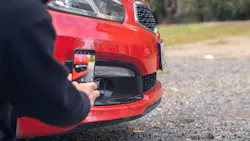
Virtual estimating has changed the pace of collision repair. It has made intake faster, expanded insurer capacity, reduced administrative friction, and created a more convenient first step for customers. In many ways, it has become a practical necessity.
But there is a persistent problem the industry cannot afford to ignore: virtual estimating often begins with an incomplete picture of the loss.
That does not mean the process is broken. Rather, it means the process needs structure. The gap between a photo-based estimate and the reality of a repair plan is not just a technical gap. It is a communication gap, a trust gap, and often a decision-making gap between the shop, the carrier, and the customer.
As someone who works in dispute resolution, I see this issue through a mediation lens. Most estimating conflicts do not arise because one party is acting in bad faith. It begins because each party is working from a different set of information, incentives, constraints, and assumptions.
The carrier may be looking at photos, policy language, severity guidelines, cycle time, and cost control. The repair facility is looking at OEM procedures, repairability, hidden damage, structural exposure, parts constraints, calibration requirements, and liability. The customer is often left trying to understand why the first estimate and the final repair plan do not match. That is where conflict grows.
The question is not whether virtual estimating should exist. It should. The better question is: how do we move from virtual estimating to repair reality without eroding trust? The answer is a mediated blueprint.
The real problem is not the estimate
The industry often talks about “estimate accuracy” as if the first number should carry the full weight of the repair. That expectation is unrealistic.
A virtual estimate is not a repair plan. It is an initial assessment based on limited information. Photos cannot always reveal hidden damage. They cannot fully assess structural movement, bracket damage, substrate condition, ADAS requirements, corrosion protection, weld access, or whether a panel can be safely repaired in accordance with OEM procedures.
The problem occurs when the initial virtual estimate is treated as the controlling document rather than the starting point.
That mindset creates predictable tension. Shops feel forced to justify every line of a supplement. Carriers feel pressured by rising repair costs and supplement volume. Customers feel misled when the first estimate appears dramatically lower than the final repair cost. This is not simply an estimating issue. It is a process-design issue.
Why mediation belongs in the conversation
Mediation is not only for lawsuits or formal disputes. At its best, mediation is a disciplined process for helping parties define the issue, exchange relevant information, clarify standards, and make decisions before positions harden.
Collision repair needs that same mindset. A mediated approach does not mean putting a mediator in every supplement discussion. It means building a dispute-resolution framework into the estimating and repair-planning process.
That framework should ask:
What do we know? What do we not know yet? What must be verified through disassembly? What OEM procedures apply? What documentation is needed to support the repair plan? Who has decision authority? What is the next required action?
When those questions are answered early, the conversation changes. The shop is no longer simply “asking for more money.” The carrier is no longer simply “pushing back.” The customer is no longer caught in the middle of competing explanations. Everyone is working from a shared map.
A mediated blueprint for closing the gap
The industry needs a clearer bridge between virtual estimating and the repair reality. That bridge can be built around five practical steps.
- Define the Virtual Estimate as Preliminary
The first step is language. Words matter. If a photo-based estimate is preliminary, call it preliminary. If it is subject to teardown, OEM procedures, parts verification, and in-person inspection, say that clearly.
Customers should understand from the beginning that the initial estimate is not the final repair plan. Carriers and shops should use consistent language to distinguish between visible and verified damage.
That one shift can prevent unnecessary conflict. It reframes the supplement process as a normal part of repair planning, not as an exception, surprise, or dispute.
- Establish a Shared Documentation Standard
Most estimating disputes are documentation disputes.
The shop believes the operation is necessary. The carrier wants proof. The customer wants the vehicle repaired correctly and safely. The solution is not endless back-and-forth. The solution is a shared documentation standard.
That standard should include clear photos, references to OEM procedures, measurements where applicable, scan results, calibration requirements, parts invoices, repair notes, and a concise explanation of why the operation is required.
The goal is not to bury anyone in paperwork. The goal is to make the decision easy to understand.
A well-documented supplement should answer the question before it is asked.
- Separate Cost Disputes from Safety Decisions
Not every disagreement is the same.
Some disputes are about judgment. Some are about labor time. Some are about included versus not-included operations. Some are about parts selection. But safety-related repair requirements should not be treated like ordinary negotiation points.
If OEM procedures require a step, or if a repair decision affects structural integrity, restraint systems, ADAS functionality, or corrosion protection, that discussion needs a different level of seriousness.
A mediated framework helps separate preference from requirement. It asks: is this a pricing disagreement, a documentation issue, or a safety and procedure issue?
Those should not be handled the same way.
- Create an Escalation Path Before Frustration Takes Over
By the time a supplement dispute becomes emotional, the process has usually already failed.
Every carrier-shop relationship should have a defined escalation path. Who reviews a disputed operation? What documentation is required? How quickly must the issue be addressed? When does it move from the desk level to a technical reviewer, supervisor, or field representative?
Without a path, people escalate through frustration. With a path, they escalate through process.
That is the difference between conflict and resolution.
- Keep the Customer Informed Without Making Them the Referee
Customers should not have to serve as the interpreter between the insurer and the shop.
A mediated communication model protects the customer by giving them clear, neutral explanations:
The initial estimate was based on visible damage. Additional damage was identified after disassembly. The repair plan changed because new information became available. The shop has documented the required operations. The carrier is reviewing the supplement. The next decision is expected by a specific date. This reduces confusion and helps preserve trust in both the repairer and the claims process.
The future requires more than speed
Virtual estimating is not going away. Nor should it. It offers real benefits when used appropriately. But the industry must stop pretending that speed alone equals efficiency. A fast estimate that leads to confusion, supplement delays, customer frustration, and shop-carrier conflict is not truly efficient. It simply moves the friction downstream. The future of estimating should not be virtual versus physical. It should be virtual to verified.
That means virtual estimating should serve as the first step in a structured process that leads to a documented, procedure-based, reality-tested repair plan.
The mediator’s view
In mediation, resolution rarely comes from proving one side right and the other wrong. It comes from creating enough shared understanding for people to make informed decisions.
Collision repair needs the same discipline.
The shop needs to be heard on repair requirements. The carrier needs documentation and consistency. The customer needs transparency and confidence. Each party has legitimate interests. The process works best when those interests are acknowledged rather than dismissed.
The gap between virtual estimating and repair reality will not close through argument. It will close through structure, documentation, communication, and disciplined escalation. That is the mediated blueprint.
Virtual estimating can open the claim. But reality must guide the repair.
Note: This article is for general informational purposes and does not constitute legal advice or address any specific dispute.

About the Author
 Elisabeth Sobczak
Elisabeth Sobczak
Elisabeth Sobczak, LL.M., MS.B., is a mediator and automotive leader who helps shops and carriers resolve disputes quickly, accurately, and with less drama. She facilitates Mediation Days for multi-shop operators and insurers nationwide.