For generations, collision repair shops have relied on a familiar process: a consumer has an accident and comes to the shop for an estimate. As direct repair programs grew, the process changed slightly, with insurers often recommending where that estimate would occur.
Today, the landscape is changing again.
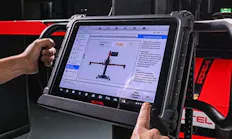
Technology is increasingly assessing vehicle damage and estimating repair costs before a vehicle reaches a repair facility. At the same time, more repairable work is being directed towards select shops as insurers seek greater efficiency and lower claim costs.
The result is simple: shops that rely solely on the traditional estimate-driven business model may see fewer repair opportunities over time.
The reality: the industry’s long-discussed concept of influencing the customer at the first notice of loss is no longer theoretical. If your business is not participating in that process, you may already be losing market share.
To remain competitive, collision centers must find ways to influence consumer decisions before a claim is filed. That requires a shift from simply writing estimates to building relationships and becoming a trusted consumer advocate.
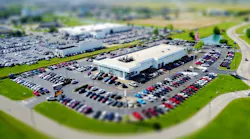
One opportunity lies in partnering with organizations that interact with vehicle owners before accidents occur. Auto dealerships are a prime example. Consumers regularly visit dealerships for warranty work and maintenance, creating opportunities to identify repair needs and educate vehicle owners before a claim situation arises.
Many studies suggest a significant percentage of vehicles entering service lanes have visible, repairable damage. Some of that damage extends beyond minor cosmetic issues, creating opportunities for both the customer and the repair facility.
Another strategy is strengthening relationships with existing customers through advice and advocacy. If consumers view your shop as a trusted source of unbiased information, they are more likely to contact you before calling their insurer.
I recently heard of a consumer who contacted a repair facility seeking an estimate because they were considering paying for repairs out of pocket. Rather than discussing options, the shop instructed the customer to contact their insurer first. The opportunity was lost before the conversation began.
Have we become so process-driven that we are turning away customers who are simply looking for guidance?
Artificial intelligence will continue to help consumers estimate repair costs and explore options. However, technology alone will not replace knowledgeable professionals. Eventually, consumers want to speak with someone who can answer questions, explain trade-offs, and help them make informed decisions. This is where the art of selling skills becomes critical.
The shops that thrive in the future will not be the ones that rely on others for work provision. They will be the ones whose teams are best equipped to educate, advise, and build trust before a claim is ever filed. They must become collaborative salespeople and be proactive in building relationships in advance of an accident event.
About the Author
 Ted Williams
Collision Industry Strategist and Consultant
Ted Williams is a collision repair industry strategist and consultant with decades of experience working globally across OEMs, dealerships, MSOs, and independent repair centers. His work focuses on collision lifecycle ownership, customer retention, and sustainable growth models aligned with trust and repair quality.