Transforming Materials Management in Modern Collision Repair
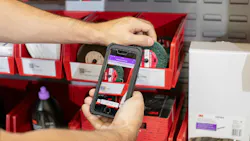
For years, one of the biggest materials concerns was simple: things vanished. A roll of tape here, a box of clips there. But today’s materials crisis is more complex and far more expensive.OEM compliance expectations are high, margins are tighter, and the operational lag created by materials mismanagement is no longer something a shop can absorb quietly. This is an organization and visibility problem, and it is contributing to reshaping the economics of the industry.
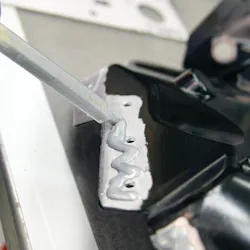
The Role of Materials
So, how did we get here? Speaking from personal experience as an insurer prior to being educated on the topic, I did not have the perspective to fully understand the critical role materials play in modern collision repair. To me, tape was tape, adhesives were sticky, and sandpaper was scratchy. It was a basic cost of doing business. In hindsight, that perspective was fundamentally incorrect.
Historical market conditions helped maintain high workloads and strong profit margins. At times, however, it was challenging to drive a broader industry focus on OEM-specific repair procedures when shops were primarily focused on capturing the keys and keeping everyone busy.
The industry is advancing and moving in a positive direction; however, additional emphasis is required around the importance of proper repair procedures and materials. When I ask customers how they are coping with reviewing, understanding and applying the OEM repair procedures in their shops, it’s almost always an astounding, “We do it on every job.” However, when it goes past conversation and into the documentation and certification side of the repair, it’s not always the case. As a shop, if they completed the OEM repair, it’s not always obvious by looking into the repair order or the final bill.
Accountability by Stakeholders
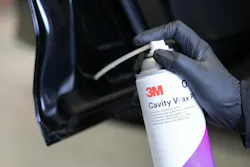
Proper material management starts with accountability. Accountability means consistently reviewing and following the procedures established by the OEM, material manufacturers, and paint manufacturers. OEMs, estimators, technicians, distributors and shop owners must hold one another accountable cross-functionally for understanding the requirements and maintaining the documentation to complete the repair with the 100% specified new material. They must also ensure the estimate line is created correctly and that the charge is properly supported by the documentation they control.
OEM accountability is clear. For the specified approved materials, the OEM is the authority on repair procedures and recommended products required in conducting a safe and quality repair. Products vary by chemistry, strength and other factors; leave it up to the OEMs as experts on what should be used to repair their vehicles. There’s too much at stake in modern collision repair to deviate from their recommended products in specific OEM repair procedures.
Material manufacturers drive accountability by working with many OEMs to support their evaluation and selection of specific products for use in repair procedures. They also provide key technical information on the tech data sheets to set shops up for success through proper application.
An estimator/blueprinter/repair planner drives accountability by ensuring repair documentation is accurate, specific, and aligned with applicable OEM procedures.
An estimator/blueprinter/repair planner drives accountability by ensuring repair documentation is accurate, specific, and aligned with applicable OEM procedures. It is important to recognize that OEMs do not universally approve individual product usage across repair procedures. Material requirements often vary by make, model, year, and the specific repair being performed, so documentation must clearly reflect those details. Estimators can further strengthen accountability by working with materials manufacturers to build a deeper understanding of the products being used. They should also be proactive in requesting demonstrations of proper product application. attending hands-on collision repair training and taking every opportunity to engage with the technician throughout the repair process.
Materials Are Not in the Cost of Doing Business
Furthermore, estimators need to educate against the “cost of doing business.” According to the definition of a “new undamaged panel,” the refinish material calculation starts when a panel is restored to a new undamaged panel. Therefore, in addition to high value materials, the abrasives, fillers, primers, masking and other items required to make the panel ready for the paint shop are rarely included and should be invoiced as outlined by the definitions in the guides to estimating.
Technicians should also be consulting with material manufacturers when working with a new product, requesting information on the latest changes to product lines, and requesting product demonstrations. Technicians should always be open to learning and avoid falling into “the way we’ve always done things.” They must hold one another accountable if a material is being misused. What happens behind the panel matters and everyone has a duty to assure passenger safety as a priority.
Select Materials by Repair Procedures
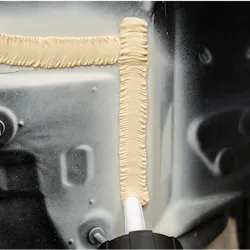
Technicians must remain accountable by reviewing repair procedures and technical data sheets before selecting or using any material. Materials should never be chosen based on convenience, ease of use, or assumption. To support accurate documentation and reimbursement, technicians should photograph the materials used and retain them on a parts cart to aid the estimator until compensation has been agreed upon. They should also document test beads, repair methods, efforts to match factory performance and appearance, and any relevant expiry dates. Expired materials should be removed and disposed of properly as hazardous waste in coordination with the distributor or manufacturer.
Rotate Your Stock
Distributors and parts departments need to take the time to restock material without overstocking the customer. While it may be easier to put the new product at the front of the bin, that practice can lead to expired and excess inventory. For that reason, inventory should be restocked using a first-in-first-out procedure. Over time, expired material can lose effectiveness, becoming stiff, losing its corrosion-inhibiting properties, or failing to cure to its full strength, all of which can compromise the repair.
Shop owners are the party tasked with the accountability of building successful processes and procedures amongst all employees and all locations. Partner with employees and vendors that value your reputation, inventory goals, invoicing goals, and can provide unwavering support towards the goal of customer service and safety.
The Importance of OEM-Approved Materials
It is imperative that shop owners provide a consistent message regarding the importance of quality OEM-approved materials. The message does not change regardless if you’re discussing with an employee, customer or insurer. Materials must be traceable back to the manufacturer through a trusted distribution partner to complete a proper repair. Avoid industry pressures to buy non-certified, gray market, or materials with equivalency claims from a vendor you do not know. These issues can contribute to slowing down productivity, and they may also distort profitability, could inflate cycle times, and may create compliance risk. Everyone should have a consistent process and message to customers and insurers regarding what repairs were done and provide full transparency to the repair.
The future of materials management is intelligent, connected, and automated. Build or partner with a manufacturer to invest in a system to track purchases and sales of your actual tangible product. Remember, your part code table estimate line is not material that can be certified. Shops that create visibility between the product, the procedure, and the invoice will be best positioned to deliver repair procedure-compliant repairs, recover costs, and protect profitability.
About the Author
Richard Desvousges
Richard Desvousges is an Application Engineer Specialist for 3M’s Automotive Aftermarket Division, where he supports RepairStack and the 3M Skills Development Center. Before joining 3M, Richard spent 22 years in the claims industry. He’s passionate about driving collaboration across the collision repair industry through a strong understanding of claims and OEM repair processes, and is committed to advancing vehicle repair standards by emphasizing customer safety, quality, and accuracy in decision-making, while helping body shops improve documentation and estimate quality.