Streamlining Processes from Estimate to Paint Line
Key Highlights
- A comprehensive estimate and constant communication between departments are crucial to prevent delays early in the repair process.
- Blueprinting and teardown inspections serve as second opportunities to identify hidden damages and update repair plans accordingly.
- Involving body technicians and painters early ensures potential issues are addressed before the vehicle reaches the paint line, saving time and resources.
- Verifying parts availability and preparing color-matched paint in advance are key steps to avoid bottlenecks during painting.
- Implementing a daily booth schedule and maintaining clear visibility across departments help keep the repair process organized and on track.
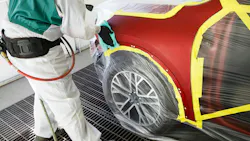
Collision repair centers today are very different from what they were even five years ago. The industry continues to evolve, with a continued focus on repair quality and operational efficiency. A successful collision repair center must operate like a finely tuned machine, from the front office to the final delivery of the vehicle back to the customer.
Every stage of the repair process is important as the vehicle moves through the shop. Smooth handoffs from one department to the next do not happen by accident; they require planning, communication, and discipline. Keeping the paint line moving is influenced by every step in the vehicle’s journey. While the paint shop may at times be viewed as the bottleneck, many of the issues that slow production can often begin long before the vehicle reaches paint.
It starts with a comprehensive estimate
The process begins with a thorough estimate. When operations are missed at this stage, delays can potentially snowball. Close collaboration between the estimator and the parts department is essential. Potential parts issues that could delay the repair should be identified as early as possible. Too often, one overlooked part has a major impact on the repair timeline and can result in slowing down the entire process.
These departments need to communicate constantly to keep the repair on track. At this stage, the estimator should also pull the repair procedures for each job. This documentation should be added to the file and made available to the technician to ensure the vehicle is repaired back to OEM standard.
Repair procedures can also identify products the shop may not have on hand, such as specific adhesives or welding materials. For example, many repairs involve bumper repair or replacement. OEM repair procedures will indicate whether a bumper can be repaired at all, especially when ADAS components are involved. Following these procedures helps ensure repairs are completed to manufacturer specifications and reduces surprise parts needed later in the repair process.
Blueprinting creates a second opportunity
The next step may involve a blueprinter or teardown technician. This stage provides a second opportunity to catch missed repair needs or parts. By disassembling the vehicle for a closer inspection, the technician can identify additional damage or repair requirements that were not visible during the initial estimate.
This information should be communicated back to the estimator and parts department so the estimate and repair procedures can be updated. Involving the body technician or painter at this stage can also be helpful if questions arise. The estimator can only see so much during the initial inspection, and this additional step has been known to reduce delays in modern repair processes.
The body technician plays a critical role
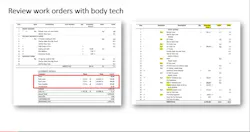
Once the vehicle moves to the body technician, another key checkpoint is reached. The body technician should review the repair plan with the estimator or production manager, depending on the shop’s structure. This review can uncover anything that may have been overlooked in earlier stages.
Body technicians are highly trained and often identify missing items or repair considerations that others may not catch. Addressing these items early helps prevent interruptions later in the process.
The painter should also be involved at this stage. Some colors may require additional blending or disassembly, and discussing this before the vehicle enters paint can save valuable time. Communication between the body technician and painter is critical. The more qualified eyes on the repair at this point, the better.
Once the vehicle enters the paint line
By the time the vehicle enters the paint line, it has already passed through multiple departments. Ideally, the repair has been reviewed thoroughly and there should be no surprises. But even when the process is followed correctly, issues can still arise.
So, what should the painter do to help keep the paint line moving?
First, read the estimate and review it with all involved parties to make sure everyone is aligned. Use a highlighter or checklist to mark completed items and avoid missing anything. At this point, the painter is the last person in the process who can prevent delays before the repair moves forward.
The repair should be inspected as soon as it is handed off from the body technician. If something does not meet shop standards, it should be addressed immediately so rework can be completed before the body technician moves on to the next vehicle. Time matters at this stage, and delays in inspection can quickly impact the schedule.
Verify parts before paint
The painter should also confirm that all necessary parts are on hand to complete the job. When reviewing the estimate with the body technician, use the same checklist or highlighter to verify that parts are available.
Whenever possible, a vehicle should only enter the paint line if it can be completed without interruption. If a missing part does not affect the ability to proceed with paint work, the repair can continue. Otherwise, sending an incomplete job into the paint line can create unnecessary delays.
Color work must be done in advance
By this point, the painter should already have prepared the correct color for the vehicle. This includes performing a camera read and completing a spray-out card as far in advance as possible. Color-matching should never begin once the vehicle is already in the booth.
When this step is skipped, unnecessary delays arise. The booth is not the place to work through color-match issues. The most productive shops have a standard operating procedure for this process and follow it consistently.
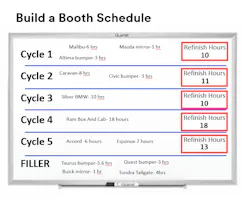
Most shops only have four to six booth cycles available each day. Those cycles should be used for applying paint, not troubleshooting the color. If even one cycle is lost, that vehicle is pushed into the next day, which contributes directly to the bottleneck.
Build and follow a booth schedule
A daily booth schedule is another effective tool for keeping the paint line moving. This schedule is typically developed with the production manager and outlines the plan for the day. Vehicles that have confirmed parts availability and completed color preparation should be placed on the schedule.
The booth schedule should be visible to everyone in the shop. As each job progresses, update the board so all departments know the current status. This visibility allows team members to anticipate when a vehicle will be ready for final assembly, detailing, file updates, or customer communication.
It is important to avoid changing the booth schedule unless necessary. The plan established in the morning — or even the day before — reflects the shop’s agreed-upon priorities. Sticking to that plan creates accountability and sets clear expectations for everyone involved.
Organization and communication drive results
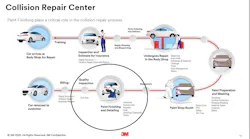
Keeping the paint line moving requires organization and communication across every department. Collision centers that adopt standard operating procedures for each stage of the repair process — from pre-wash to final delivery — create alignment, consistency, and clear expectations.
At first, implementing SOPs may seem like a daunting task. But if a shop works on one department at a time, the process becomes manageable. Adoption is often quicker than expected because most people respond well to organization and appreciate having clarity around what is expected of them.
When departments recognize how directly they affect one another, the entire repair process improves. In the end, keeping the paint line moving is not just about what happens in the paint department. It is about ensuring the vehicle moves efficiently through every step before it ever reaches the booth.
The processes that take place before paint are often more complex and more important than they appear. By focusing on those upstream operations, shops can reduce delays, improve workflow, and create a more efficient repair process overall.
About the Author
 Troy Knopik
Troy Knopik
Troy Knopik is a lead refinish trainer at 3M Collision's Skills Development Center. Troy has been in the collision industry for over 35 years. He spent 25 years as a production painter before becoming a paint manufacturer representative for BASF. He trains painters across the country on all aspects of the collision repair process.