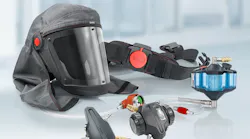
Breathing Easy: Safer Paint Application
Organic solvents can cause a number of problems in the human body, including brain, nerve and lung damage. Isolating yourself from these effects involves a great deal more than a simple particle mask. And, as you might expect, the government has something to say about it. The National Institute for Occupational Safety and Health (NIOSH) has developed performance requirements for various types of respirators. It is NIOSH, not OSHA (Occupational Safety and Health Administration) which performs testing and issues approvals for this type of safety equipment. OSHA sets the general requirements for the workplace and enforces the standards.In 1995, NIOSH adopted new performance criteria for all negative pressure particulate air-purifying respirators and prefilters. This respirator standard--42 CFR 84--was the first update in filter efficiency criteria in more than 20 years. Under the previous NIOSH respirator standard (30 CFR Part 11), respirators were classified according to contaminant type, such as dust, mist, fume, paint sprays, lacquers and pesticides. Under 42 CFR 84, those classifications have been eliminated. They are replaced with nine classes of filters comprised of three levels of minimum filtration efficiency and three categories of resistance to oil in the workplace. The three levels of filtration efficiency are 95, 99 and 99.97 percent against the most difficult type particle to filter out. The three categories of resistance to filter degradation are: N-- not resistant to oil. R-- resistant to oil. P-- oil proof.NIOSH established a three-year deadline to allow manufacturers to develop the new respirator products. The final deadline is July 10, 1998. The new standard offers an opportunity for collision shop owners to re-evaluate the current respiratory protection used by various employees to make sure the type being used is adequate to the task involved, particularly where the work environment contains oil.Consider the type of contaminant, filter efficiency and desired respirator feature characteristics. For example, in the case of collision technicians, the protection chosen should offer resistance to premature filter loading during paint spraying or welding operations. Worker comfort, breathing resistance, durability and substance-specific regulations should also be addressed in the decision process.Picking What's Best
If you need help in this process, respirator consultants are out there, but you should also be able to get help from distributors and manufacturers, who can provide fit testing and whatever information you'll need. There are two basic types of respirators: negative and positive pressure. Negative pressure respirators filter air through a fiber or carbon media as the wearer inhales. Positive pressure types provide filtered fresh air from a uncontaminated source. Negative pressure types are generally selected when contaminant concentrations are relatively low and when worker mobility and convenience are important. Positive pressure types are selected for extreme work conditions, when contaminant levels are higher and immediately dangerous, or can't be readily smelled or tasted.There are many sources of information available to help identify respiratory hazards. Material Safety Data Sheets (MSDS) are a good source, as are material suppliers and university libraries. The American Conference of Government Industrial Hygienists (ACGIH) and NIOSH both publish reference books to help evaluate worker exposure levels. Remember, however, that there is no "all-purpose" respirator which will protect against all contaminants and concentrations under all conditions. This is one area where you really need to do your homework to ensure your employees are properly protected on the job.The Paper Trail
Remember, too, that the job's not over until the paperwork is done. Once you select your respirators, OSHA requires that employers create and maintain a written program that records respiratory protection practices covering selection, fitting, training, use and maintenance of respirators. The specific OSHA standard is 29 CFR 1910.134 and it's designed to help employers organize and formalize respiratory protection programs. Again, some manufacturers and distributors offer materials to help with this process.The proper use of respirators requires training. They must fit well and be worn properly to be effective. Training should include basic procedures specific to each respirator, such as molding nose clips or adjusting head straps to ensure a comfortable, secure fit. Training should also provide basic information on how contaminants can affect the human body, how respirators provide protection and proper maintenance procedures for all equipment used. It's also important for employees to know when to discard a respirator or change filters. Allow time for questions at each training session.Although the benefits of proper respiratory protection would seem to be a no-brainer, the fact of the matter is that some employees are better at coming up with reasons not to wear a respirator than actually wearing one. There are many reasons. There are no excuses. Taking a personal interest in making sure your employees are properly trained, equipped and disciplined isn't just a good idea. It's your responsibility.The Well Dressed Painter
When it comes to properly protecting your painters, it's more than a matter of selecting the right breathing equipment. Choosing effective paint suits, gloves, eye protection and other ancillary clothing is not the no-brainer many assume. Like any other cost in the business, careful consideration of all the variables can make a big difference in the bottom line impact such protection involves. Take paint suits, for example.While many feel that disposable suits are the way to go, high-volume shops may be surprised to learn that reusable suits can save as much as $500 per year per painter. This figure was recently released from a survey done by Shoot Suit, a manufacturer of reusable garments, who pointed out that the higher cost of a reusable suit was more than offset by its longer useful life. The survey projected that disposable suits lasted an average of two days, versus an average of 105 days for reusable types. Additional savings could be realized by the use of lint-free and non-contaminating materials, which could prevent expensive problems during the painting process. It's just one more example of how carefully thought out each purchase should be when it comes to providing maximum worker safety at minimum cost.