Collision Advisory: Fractional CFO for Shops of All Sizes

Whether it’s a single shop or an MSO with dozens of locations, figuring out how to continue scaling and growing the business is a difficult question to answer. Drawing on his financial background, Doug Higgins started a new Fractional CFO service, Collision Advisory, in February to help shops navigate these questions, .
Higgins has a degree in accounting and accumulated further business acumen at Kroger, where he climbed up the ranks to CFO and senior leader of finance over the course of a decade. After being recruited to join TAG Auto Group as CFO in 2023, Higgins quickly learned the ins and out of the collision repair industry. With TAG reaching a state of no longer needing his services daily, Higgins made the decision to strike out on his own and offer his skills to any shop that needs them.
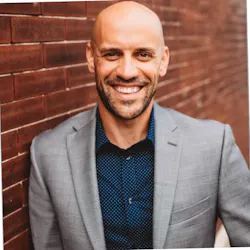
As a fractional CFO, Higgins’ current business model revolves around tailoring what services he provides to the needs of the client. Each model will be different from the others he currently works with, and he is rationing his time accordingly to make sure each client receives the attention they need. Payment is based on the individual needs of each client and he uses short-term commitments to ensure the relationship is not a financial burden on the shop. Higgins spoke with FenderBender about how his new business can help shops of all sizes.
Q: What level of shop is this service for? Is it for shop owners with a few shops and larger MSOs or can independent, single shop owners find value, too?
“I built this for shop owners at every stage, including single-location operators who are just starting to figure out what they want. For most people, the hardest part is they do not yet have a clear picture of how they want to spend their time or where they want the business to go. This kind of help matters whether you want to step back from the day-to-day, work more on the business instead of in it, or eventually prepare for an exit. I am not trying to do what an investment banker does. I am trying to help owners get their business into a stronger position before they ever get to that stage.”
A lot of shop owners know they could be running a better business, but they do not know how to get there. — Doug Higgins, founder, Collision Advisory
Q: How can a shop owner tell if they need a fractional CFO? What signs should they look for?
“A lot of shop owners know they could be running a better business, but they do not know how to get there. They are thinking about their accounting stack, forecasting, budgeting, growth decisions, and the financial impact of operational choices. That is where I can help. I want to be more than someone who hands over reports. I want to be a real business partner who helps owners and operators make better decisions.”
Q: If as a shop owner I bring you on as my fractional CFO, what are the expectations for what I will be getting from you? Is there a certain amount of time per week I get? How many shops am I splitting your time with?
“Every client engagement is different. I build a model around what that business actually needs. Some owners already have solid reporting and need help with growth. Others need both, meaning they need to get their financial house in order while also thinking about growth or acquisition. Every situation requires a different approach. My goal is to stay client-facing, so I will likely keep the number of engagements limited.”
Q: What is the difference that I would get if I were the shop owner by bringing you on board as opposed to a CPA or a bookkeeper?
“One difference between working with an accountant and working with me is that you can call me to think through real business decisions. If you are considering a dealership relationship, for example, and want to understand how to structure it so it actually helps your business, that is the kind of conversation I want to help with. A traditional accountant or bookkeeper usually is not going to advise on that.”
The goal is to create an arrangement that helps the business move forward without becoming a financial burden. If the work is creating real value, great, we keep going. If not, we should be honest about that and move on. — Doug Higgins, founder, Collision Advisory
Q: How do you structure the service for shops?
“Every engagement is different. I structure my work around the specific problem a shop is trying to solve and how much support they actually need. The goal is to create an arrangement that helps the business move forward without becoming a financial burden. If the work is creating real value, great, we keep going. If not, we should be honest about that and move on.”
Q: Any final comments or thoughts?
“One thing business owners need to understand is that if you engage with me, I am going to tell you the truth about what I see. I will do it in a constructive and personable way, but I am not there to protect your ego. I am there to help you get better. That means being honest about problems, identifying opportunities, and then working together to solve them.”
About the Author
 Peter Spotts
Peter Spotts
Associate Editor
Peter Spotts is the associate editor of FenderBender and ABRN. He brings six years of experience working in the newspaper industry and four years editing in Tech. He has a bachelor's degree in journalism from Western New England University with a minor in integrated marketing communications and an MBA. A sci-fi/fantasy fan, his current 2010 Honda Civic is nicknamed Eskel, after the character from the Witcher book series, for the scratch marks on its hood.
Don't miss Peter's next article. Sign up for FenderBender Today's Collision Repair News here.