ADAS and the impact on refinishing
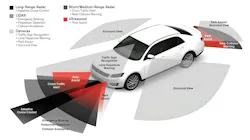
Advanced driver assistance systems are now integrated into most modern vehicles, with complexity varying by make and model. Early versions of these technologies began with systems such as anti-lock braking systems (ABS) and traction control, both of which were designed to improve vehicle stability, braking performance and driver safety. Today’s vehicles use a combination of radar, cameras, sensors, and driver-monitoring technologies to support safe vehicle operation and help prevent collisions, and following proper refinishing procedures is imperative to retain this functionality.
The function of ADAS is straightforward. These systems are designed to protect the driver and others on the road by reducing the likelihood of accidents. What started with basic collision avoidance has grown into systems that assist with adaptive cruise control, lane departure warnings, parking assistance and in some cases even driverless parking features. Some of the most advanced systems monitor not only the road day or night, but also the driver inside the vehicle. Driver monitoring is becoming increasingly important, especially as distractions continue to grow. These systems can detect an inattentive or drowsy driver and alert them to refocus on the road. ADAS will likely continue to evolve to support a safer and more reliable driving experience.
Collision repair centers have a responsibility to return vehicles to customers not only in pre accident appearance but also in pre-accident functionality and safety. That includes the proper operation of ADAS features. Today, drivers rely on these systems and trust the information they provide. This is why they must be always restored back to OEM specifications. The driver getting the vehicle back assumes it will perform to the same level of safety and functionality it had before the accident.
How is this accomplished with the highest level of confidence? The repair process should begin with pre-repair and post-repair scan to identify any ADAS-related faults and confirm that systems are functioning properly once repairs are complete. The shop should download the OEM repair procedure for the damaged area of the vehicle every time, making sure they have the correct model, make and year. A 2016 Honda Civic may look the same as a 2017 Honda Civic, for example, but that doesn’t mean the repair procedure is the same. So, never assume. These repair procedures should be included in the file of the repair documents. The responsibility and liability for the work performed remains with the repair facility after the repair is complete. Documentation is the key to ensuring the shop is protected in the event of another collision.
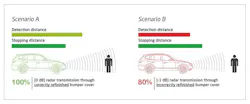
One area that requires close attention is bumper repairs. Most vehicles today have sensors in the front and rear bumpers. Higher end vehicles use sensors hidden behind the bumper or a combination of visible and concealed components. This is where the OEM repair procedure becomes critical on whether the bumper can be repaired or replaced. This document should be very clear in what will need to be done to bring it back in line with OEM specifications.
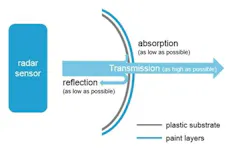
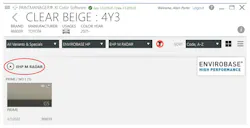
The sensors front or rear in many cases cannot simply be repainted without consideration. These sensors emit a signal to detect objects and alert the driver. The repair procedure will clarify what is allowed during the paint process. In some cases, a special paint formulation must be used along with a specific number of coats to avoid interfering with the radar signal passing through the sensor area. Paint companies may have special formulas designed for this purpose - often using a reduced amount of aluminum flake. In some cases, you need to replace the cover completely with no repair allowed.
The repair of a bumper cover is a common area requiring careful consideration toward ADAS. The bumper cover either has surface-mounted sensors or ones behind the cover that are not visible. The OEM repair procedure will inform you what repair is acceptable. A good example of this is BMW. They have bumper covers that do not allow any repair at all due to the sensors being located behind the cover. In addition, Ford has a published statement allowing limited repair of their covers depending on the number of mils (thickness of the paint in thousandths of an inch) in an area that may prevent the sensor from reading the environment properly. These covers cannot be repaired if they exceed the maximum millage allowance and therefore, they must be replaced. To ensure a proper and safe repair, always ensure you check the OEM repair procedures.
Calibration of the ADAS system is the final check to confirm the vehicle has been returned to its pre-accident condition and is safe to drive. The calibration process has two methods or a combination of both. A static calibration is performed while the vehicle is stationary. This can be completed by a mobile operation with the calibration done at the repair facility or offsite. This will include special tools and equipment and software specific to that individual vehicle. When performed correctly, it helps return the system to OEM specifications.
This is followed by a 20 – 30-minute road test under a variety of driving conditions. A Dynamic calibration requires the vehicle to be driven for as much time as required to reset the system. There is a specific procedure for this that clearly documents what is required. This calibration also addresses software to the specific vehicle. Many of these Dynamic calibrations are necessary due to the use of cameras all around the car. Cameras are located throughout the vehicle, including the windshield, mirrors and body panels. These components work together and need to be in sync for the vehicle to operate safely and as intended.
Calibration is likely one of the most important parts of the repair process. OEMs do a great job of outlining the requirements to calibrate the vehicle correctly. This is not a grey area in the repair process. Collision repair centers must always obtain the proper OEM repair procedures and follow them completely. The safety of the driver, the public and the integrity of the repair all rely on the shop completing this process correctly. The calibration step can seem complex at first, but taking the guesswork out of it starts with downloading the proper repair procedure. Today’s drivers trust and rely on these ADAS systems, so by following OEM calibration procedures completely, collision repair centers help ensure the vehicle is returned to the customer safely, correctly repaired, and with the ADAS systems functioning as intended.
About the Author
 Troy Knopik
Troy Knopik
Troy Knopik is a lead refinish trainer at 3M Collision's Skills Development Center. Troy has been in the collision industry for over 35 years. He spent 25 years as a production painter before becoming a paint manufacturer representative for BASF. He trains painters across the country on all aspects of the collision repair process.