Menefee on Maximizing ROI at SEMA: A Collision Shop Owner’s Guide
Key Highlights
- Prioritize collision repair training sessions and bring technicians to maximize knowledge gained and implementation at your shop.
- Use the event to compare new equipment, test tools, and ask vendors detailed questions to make informed purchasing decisions.
- Network intentionally by attending mixers and connecting with vendors and industry peers to open new business opportunities.
- Plan your trip with a clear focus on training, technology demos, and networking to avoid sensory overload and maximize ROI.
- Negotiate and purchase equipment at the show, taking advantage of discounts, bundles, and on-the-spot comparisons to make smarter investments.
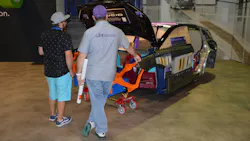
For anyone in the automotive and collision repair world, the SEMA Show isn’t just another trade show; it’s the show everyone wants to go to. It’s where you’ll see groundbreaking equipment, next-generation repair technology, high-level training, and some of the most impressive builds you’ll ever lay eyes on. The real challenge for many collision shop owners and managers is this: How do you justify the time and expense of going to SEMA and make it truly valuable for your business?
I’ve attended SEMA almost every year since I’ve been in the industry, and while my first visit felt overwhelming (they still do to a degree), I’ve learned how to turn this massive event into something that consistently benefits my shop long after I return home. Here’s how you can do the same next year.
Maximize the Training Opportunities
One of the biggest advantages SEMA offers to the collision repair industry is world-class training , and much of it is free. These sessions are taught by organizations like SCRS, I-CAR, equipment manufacturers, and industry experts who know the challenges shops face today.
Before you go, browse the training listings in FenderBender, on SEMA’s website and SCRS’ Repairer Driven Education schedule. Once you arrive, grab a printed agenda, which makes it easier to highlight sessions, see time blocks, and avoid overlaps.
To avoid being overwhelmed, dedicate your first couple of days specifically to the collision repair area. This is where most of the training relevant to structural repair, refinish, ADAS, calibration, blueprinting, scan/diagnostic procedures, and workflow improvements will be concentrated.
Bring your technicians if you can. The knowledge gained often pays you back tenfold once you implement it at home.
Get Hands-On with New Technology and Equipment
For collision repair shops, technology changes fast, especially when it comes to ADAS, calibration, frame repair, welding, materials, and refinishing products. SEMA is where manufacturers showcase their newest releases, updates, and innovations. This is your opportunity to:
- Compare equipment brands side-by-side
- Test new tools and software
- Ask vendors questions directly
- See live demonstrations
I’ve talked to a company representative and learned about functions in software or tools we already had in the shop but weren’t using. These were features that ended up saving time, money, or improving repair accuracy. Those conversations alone made the trip worthwhile.
Don’t be shy about asking for demos or technical explanations. You’re talking to the people who helped design the product, so there’s no better time to learn.
Take Advantage of High-Value Networking
Networking at SEMA can feel intimidating; there are thousands of people from every corner of the automotive world. But the collision repair industry is heavily relationship-driven, and the connections you make here can open doors you’d never expect.
Before you go, talk to your current vendors and ask who will be attending. Request invitations to vendor events, mixers, or meet-ups. Identify booths or companies you want to connect with.
While you’re there, attend the mixers and networking events SEMA hosts, especially those geared toward body shops or specific groups like SCRS. This year, I attended a mixer and casually chatted with a few shop owners and industry folks. One of them, someone I didn’t know, turned out to consult for a large fleet management company I had been trying to get into for years. I didn’t even mention my interest at the event, but about two weeks after SEMA, he called me and offered to introduce me because he liked how I talked about my shop.
These connections are not rare. Some of my most impactful business relationships were formed at conferences like SEMA, not locally.
Make Smart Purchasing Decisions
If you’re planning to buy equipment, SEMA is the time to do it. The discounts are real, and vendors expect buyers to negotiate. But go in prepared:
- Know the regular price before the show
- Ask about show specials
- Don’t be fooled by “discounts” that match regular pricing
- Compare competitors right on the spot
- Test the equipment firsthand
- Ask about warranty, service, and lead times
- Look for package deals or bundles
Whether you're eyeing a new welder, measuring system, spray booth, ADAS calibration equipment, paint products, or shop management software, SEMA gives you the unique advantage of trying before buying and comparing everything in one place.
If you’ve been on the fence about investing in new technology or equipment, SEMA is where you’ll finally get clarity. Seeing the equipment in action often makes the decision much easier.
Final Thoughts
SEMA can feel like sensory overload. But with the right plan, it becomes one of the most valuable business trips a collision repair shop can take. Focus on training, explore the latest technology, build connections, and use the show as your best opportunity to make smart purchasing decisions.
When approached intentionally, SEMA becomes more than a cool work trip; it becomes a high-ROI investment in your shop’s future.
About the Author
 Tiffany Menefee
Tiffany Menefee
Tiffany Menefee has been the owner of Pronto Body Shop in El Paso, Texas, since 2015. She is also a former insurance adjuster.