Build a Team That Can Handle Tomorrow's Vehicles

The collision repair industry has never stood still. Materials change. Safety systems evolve. Vehicle technology grows more complex every year. What feels advanced today often becomes standard within just a few years. Shops that once competed based on paint quality or cycle time are now competing based on technical capability, calibration accuracy and their ability to safely repair vehicles that resemble rolling computers more than traditional automobiles.
The challenge facing collision repair shop owners is not just about equipment or certifications. The real competitive advantage lies in people. The shops that will dominate tomorrow are the ones building teams capable of adapting to technologies that are still emerging. Success will not come from reacting after new vehicle systems arrive. It will come from identifying and developing experts before the rest of the market realizes they are needed.
Technology is changing faster than training models have historically allowed. Waiting until a new repair requirement becomes common before investing in team development places a shop behind competitors that have already built technical depth. Shops that want to thrive must begin viewing talent development as a long-term strategy rather than a response to immediate repair demands.
Understanding the Pace of Vehicle Evolution
Modern vehicles contain advanced driver assistance systems, electric powertrains, new material combinations, and complex networked electronics. These systems affect nearly every repair decision. Structural repairs influence sensor alignment. Battery placement changes repair procedures. Software updates can alter how vehicles respond after repairs are completed.
Collision repair shops no longer operate in an environment where a technician can rely solely on past experience. The knowledge that made someone successful ten years ago is often only a foundation today. Shops that continue to rely on experience alone without continuous training risk falling behind the technology curve.
The pace of change also creates opportunity. Shops that develop expertise early often become referral centers for advanced repairs. Insurance partners look for repairers who can confidently handle emerging technologies. Customers increasingly seek shops that demonstrate knowledge of safety systems and electric vehicle repairs. Building a team prepared for tomorrow's vehicles positions a shop as a leader instead of a follower.
Shifting From Hiring Technicians to Building Specialists
One of the biggest mindset shifts collision repair shop owners must make involves how they define hiring success. Historically, shops searched for technicians who could perform a wide variety of repairs across multiple vehicle systems. While versatility remains valuable, modern vehicles are pushing shops toward greater specialization.
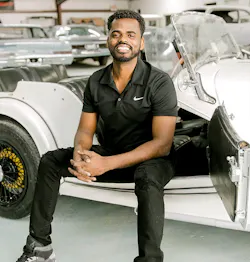
“At Team IK, we’ve learned that the teams who stay ahead are the ones who never stop learning," says Adrian Joseph, owner of Team IK in Houston. “Technology keeps changing, repair methods keep evolving and our people have to grow right along with it. When a team stays curious and open to improvement, that’s when real long-term success starts to happen.”
Tomorrow's successful collision teams will include technicians who develop deep expertise in areas such as structural repair, electronics, calibrations, electric vehicle systems, and advanced materials. These specialists allow a shop to handle complex repairs with confidence while maintaining consistent quality and safety standards.
Developing specialists does not require abandoning cross-training. It requires identifying individual strengths and guiding technicians toward areas where they can become recognized experts. Some technicians excel with structural repairs. Others naturally gravitate toward diagnostics or electronics. Recognizing these tendencies early allows shop leaders to invest in training that accelerates expertise instead of forcing every technician into identical development paths.
Identifying Future Experts Inside Your Shop
Many shop owners assume they must recruit outside talent to build advanced repair capability. In reality, some of the most valuable future experts are already working inside their facilities. The challenge lies in identifying which team members possess the curiosity, discipline, and communication skills required to become technical leaders.
Future experts often demonstrate certain behaviors. They ask questions about new procedures. They volunteer for training opportunities. They show interest in understanding why repairs are performed in specific ways instead of simply following instructions. They tend to stay engaged during training sessions and often share new knowledge with their teammates.
Shop leaders who recognize these traits can begin creating development pathways for those individuals. Providing early access to advanced training, pairing them with mentors and involving them in research for new repair procedures helps accelerate their growth. These technicians often become internal resources who raise the overall skill level of the entire team.
Building a Training Culture Instead of Scheduling Classes
Training programs alone do not create expertise. Culture determines whether knowledge becomes a competitive advantage. Shops that treat training as an occasional event rarely build sustainable technical depth. Shops that integrate learning into daily operations create teams capable of adapting to constant change.
A training culture encourages curiosity. It allows technicians to discuss new repair challenges openly. It prioritizes education during production meetings and incorporates technical discussions into everyday workflows. Leadership reinforces the message that learning is not optional and is essential for long term success.
Creating this environment requires consistency. Training cannot be something that happens only when business slows down. Shops must schedule training as a permanent part of operations even during busy periods. Investing in education during high production seasons sends a strong message that development remains a priority regardless of workload.
Developing Leadership Within Technical Roles
Technical expertise alone does not build a future-ready team. Shops also need technicians who can communicate complex procedures clearly, mentor younger employees, and represent the shop during OEM training and certification processes.
Developing leadership within technical roles expands the value of each expert. These individuals help translate technical information into practical shop procedures. They support estimators by explaining repair requirements. They assist production managers in planning complex repairs. They also strengthen training programs by helping newer technicians.
Leadership development can include communication training, mentoring responsibilities, and opportunities to lead technical meetings. When technical experts grow into leadership roles, they multiply their impact across the organization and help build a stronger knowledge base throughout the shop.
“One thing we focus on at Team IK is helping every team member understand the entire repair process, not just their individual task,” Joseph says. “The best results happen when everyone takes pride in the full repair, from the first inspection to handing the keys back to the customer. That shared responsibility is what drives consistent quality.”
Partnering With Training Providers and OEM Programs
No collision repair shop can independently track every technological advancement across every vehicle manufacturer. Strategic partnerships with training organizations and OEM certification programs provide access to current repair procedures and emerging technologies.
Shops that actively participate in these programs gain early exposure to new repair requirements. Technicians develop relationships with industry trainers and peers who share insights about evolving repair techniques. These connections often provide early warnings about upcoming technology changes and allow shops to prepare before those systems become common in their markets.
Owners should view these partnerships as investments rather than expenses. Certification programs and advanced training often attract higher value repair opportunities and strengthen relationships with insurers and customers seeking advanced repair capability.
Creating Career Paths That Encourage Retention
Developing technical experts requires time and investment. Shops that fail to create clear career paths risk losing highly trained technicians to competitors. Retention strategies must show technicians that expertise leads to professional growth, financial opportunity and increased responsibility.
Career path planning can outline progression from entry level technician to specialist roles and eventually into leadership or training positions. Compensation structures should reflect increased expertise and responsibility. Recognition programs that highlight advanced certifications and technical achievements reinforce the importance of continuous development.
“One thing we focus on at Team IK is helping every team member understand the entire repair process, not just their individual task,” Joseph says. “The best results happen when everyone takes pride in the full repair, from the first inspection to handing the keys back to the customer. That shared responsibility is what drives consistent quality.”
Technicians who see long-term opportunity within their shop are more likely to remain committed to growth. Retention protects training investments and builds institutional knowledge that strengthens overall shop performance.
Recruiting With Tomorrow in Mind
While internal development is critical, recruiting strategies must also evolve. Shops should evaluate candidates based not only on current skill level but also on learning ability and adaptability. Technicians entering the industry today will likely work through several waves of technological change during their careers.
Recruiting conversations should emphasize training opportunities, career advancement and exposure to advanced vehicle technologies. Younger technicians often seek environments where they can grow professionally and stay connected to emerging technologies. Shops that highlight development opportunities often attract motivated candidates who value learning.
Partnering with technical schools, apprenticeship programs and industry training organizations helps create recruitment pipelines focused on future skill requirements. These relationships allow shop owners to influence training curricula and identify promising candidates early in their careers.
Investing in Equipment That Supports Learning
Advanced equipment plays a significant role in preparing teams for tomorrow's vehicles. Calibration tools, diagnostic systems, and electric vehicle repair equipment allow technicians to apply training in real repair situations. Access to modern tools reinforces training and builds technician confidence.
Equipment investments should align with training goals. Purchasing advanced tools without training support often leads to underutilization. Pairing equipment acquisitions with structured training ensures technicians understand how to maximize their capabilities and integrate them into production workflows.
Forward thinking shops evaluate equipment purchases based on how they support long term capability rather than immediate production needs. This approach positions the shop to handle emerging repair technologies before competitors acquire similar capabilities.
Encouraging Knowledge Sharing Across the Team
Building experts is only valuable if their knowledge benefits the entire organization. Shops should create systems that encourage knowledge sharing. Technical meetings, repair procedure reviews, and internal training sessions allow specialists to distribute information across departments.
“We talk a lot at Team IK about thinking beyond your individual role,” Joseph says. When technicians, estimators, and support staff all take ownership of the final outcome, the entire shop performs better. That mindset helps us deliver safer repairs, operate more efficiently, and continue raising the standard for our customers.”
Documentation of repair procedures, calibration requirements and new repair discoveries helps standardize knowledge. These resources create consistency and reduce reliance on individual memory. Knowledge sharing also strengthens teamwork and reinforces the idea that technical development benefits everyone in the shop.
Shops that foster collaboration often adapt to new repair challenges more efficiently. When information flows freely across departments, production planning improves and repair accuracy increases.
Preparing for Technologies That Are Still Emerging
Collision shop leaders must also look beyond current repair demands and evaluate technologies that are still entering the market. Electric vehicles, advanced sensor integration, autonomous driving features and software driven vehicle systems will continue transforming repair requirements.
Monitoring industry trends, attending conferences and maintaining relationships with training providers helps shop owners anticipate future skill requirements. Early preparation allows shops to schedule training gradually rather than scrambling to catch up when new technologies become common.
Proactive preparation also signals professionalism to customers and insurance partners. Shops that communicate their commitment to future readiness build trust and differentiate themselves in competitive markets.
Leading With Vision and Commitment
Building a team capable of handling tomorrow's vehicles requires leadership commitment. Shop owners must communicate the importance of technical development and demonstrate willingness to invest in training, equipment and career growth.
Employees watch leadership decisions closely. When owners consistently support development initiatives, teams become more motivated to pursue expertise.
Leadership also involves patience. Developing experts takes time. Progress may not produce immediate financial returns. However, shops that remain committed to long term development often experience stronger retention, improved repair quality, and expanded business opportunities.
Creating the Competitive Advantage Before Others Do
The collision repair industry will continue to evolve. Shops that wait for technology changes to force development will constantly chase competitors. Shops that invest in identifying and developing experts early create sustainable advantages that are difficult for competitors to duplicate quickly.
Technical expertise builds reputation. Reputation attracts complex repairs. Complex repairs often lead to stronger insurance relationships and increased profitability. The cycle begins with people. Shops that prioritize team development create foundations that support growth regardless of how vehicle technology changes.
Preparing for tomorrow's vehicles is not about predicting every new system or repair requirement. It is about building teams capable of learning, adapting, and leading. Collision shop owners who invest in developing experts today position their businesses to handle whatever innovations arrive next and secure their place as leaders in an industry defined by constant change.
About the Author
 Carolyn Gray
Carolyn Gray
Carolyn Gray of DRIVE has an extensive background in Marketing, Creative, Media Strategy and Branding, including Vice President of Digital at FOX Broadcasting and Co-President of Filmaka Studios. She brings that wealth of knowledge to DRIVE.