Mary Mahoney Leads Collision Engineering in Building the Next Generation
Mary Mahoney has been an industry fixture at Enterprise Mobility for the past four decades, but now, it’s time for a new adventure. She officially took the role of president at the Collision Engineering Career Alliance in February and is looking forward to continuing its mission of building the next generation of collision repair professionals.
Mahoney helped found the nonprofit organization in 2020 as a direct response to the technician shortage in the collision repair industry. After observing how the model prepares people for future careers, she’s made the move to expand her involvement full-time due to a sense of responsibility and belief in what Collision Engineering has built.
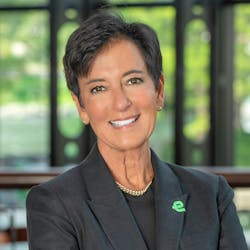
Mahoney answered questions from FenderBender about making the switch from Enterprise to Collision Engineering and her goals for the organization. Anyone interested in helping support the industry’s next generation can visit the Collision Engineering website at beacollisionengineer.com.
After over 40 years with Enterprise Mobility managing relationships with global insurance, collision repair, dealer and OEM customers, you’ve retired. But you’re not letting grass grow under your feet. You’re expanding your role with the Collision Engineering Career Alliance you helped build by taking the helm as president of the nonprofit organization Feb. 1. What drove that decision?
What drove the decision for me to continue this important work as president of the Collision Engineering Career Alliance was really a sense of responsibility and belief in what we’ve built. Collision Engineering didn’t start as an abstract idea; it was created in response to a very real workforce crisis. Over the past four years, I’ve seen firsthand that this program model prepares people for real jobs in collision repair.
When I decided to retire from Enterprise Mobility, I wasn’t looking to slow down but rather focus my energy where it could make the greatest long-term impact. Collision Engineering represents the future of how our industry develops talent. Not just by teaching technical skills, but also by preparing people for meaningful careers. Stepping into the president role felt like a natural continuation of the work I’ve already been invested in and an opportunity to help guide the national organization through its next phase of growth.
What are your goals or objectives for your first year as president of Collision Engineering?
Our focus is on strengthening the program foundation as we continue to scale as a national organization. That work is very much a team effort, centered on ensuring consistency across our partner colleges, providing better support for our instructors and employers, and continuing to build the systems needed to sustain growth without losing what makes the program effective.
We are also focused on deepening industry engagement by helping partners clearly understand their role, how they can contribute in meaningful ways and how their involvement directly supports student success. It is equally important to communicate the impact of this work. The outcomes we are seeing with program students, participating collision repair shops and partner colleges reflect the strength of the Collision Engineering program model. Sharing those results helps reinforce why long-term investment in workforce development is essential for the future of our industry.
Are there any lessons, skills or experiences from your time with Enterprise Mobility that you feel will help you achieve those goals?
Absolutely. Much of my career has centered on building trust and developing relationships with partners across the industry. That experience translates directly to this role.
I’ve learned the value of collaboration, clear communication and long-term strategy. Sustainable solutions don’t come from one individual or group acting alone. Collision Engineering succeeds because it brings industry and education together around shared outcomes. My background has prepared me to help manage those relationships thoughtfully while keeping the mission front and center.
What are currently the biggest roadblocks or challenges for developing skilled technicians, and how does Collision Engineering help address these?
One of the biggest challenges in developing skilled technicians is the lack of consistency across the ways students learn and train. Whether students come through high school programs, college and Career and Technical Education (CTE) programs, or enter the workforce directly into a shop, the level of preparation and exposure to real world expectations can vary widely. That inconsistency makes it difficult for employers to know what skills a graduate truly has and for students to transition confidently and successfully into the workforce.
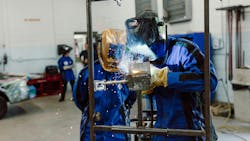
Collision Engineering helps address this by establishing a standardized, industry-aligned program model that combines a paid apprenticeship with an associate degree. Students rotate between the classroom and the shop, allowing them to immediately apply what they are learning in a real work environment while gaining consistent, hands-on experience. Equally important is the program’s emphasis on personal and professional development. Students and mentors work through structured tools and assessments that strengthen communication, accountability and professionalism. This focus helps students build the life and workplace skills needed for long-term success, while also supporting mentors and improving retention and culture within participating shops.
How has the program evolved since it was formed over four years ago? Was there anything that emerged that wasn’t originally on your radar?
One of the most meaningful evolutions has been realizing how much the program impacts not only students, but also instructors, employers and the broader industry. While we expected strong technical outcomes, we’ve seen even greater value in how the model strengthens mentorship, improves communication, and supports retention within shops and classrooms.
As the program expanded, it also began to connect colleges, industry partners, instructors and students from across the country. What started as a training model has grown into a true network of shared learning and support. That sense of connection and collaboration has continued to strengthen the program and has become a defining part of what it means to be part of the Collision Engineering Career Alliance.
We have also learned that growth requires a shared standard and a strong sense of community. As more colleges and partners join, aligning around common expectations, practices and values has been essential to maintaining quality and ensuring the program operates effectively at a national level. That focus on consistency and collaboration has shaped how we grow and has been critical to our operational success.
Can you explain the role of industry supporters and industry advocates? Can shops help in ways beyond providing apprenticeships?
Industry supporters and advocates play a critical role in the ecosystem. While apprenticeships are essential, there are many other ways shops and partners contribute to the program and student success. They serve on advisory committees, help shape curriculum, support program instructors, share personal stories and talk with students about career opportunities in the industry.
Advocates help us keep the program aligned to real-world needs, while supporters help ensure students have access to resources, tools, and opportunities that extend beyond the classroom. The strength of Collision Engineering lies in collaboration, and we encourage engagement at many levels.
Any final thoughts or remarks?
The technician shortage is not a short-term challenge, and it won’t be solved by one organization or one solution. I’m energized to witness the industry rethink how it attracts, prepares and supports talent.
Collision Engineering exists to be a bridge between education and employment, between potential and opportunity. As we continue to grow, our focus remains on people, partnerships and building a workforce model that serves the industry and the individuals who choose this career pathway. I encourage others to join us in supporting this critical need. It will take all of us to safeguard the future of collision repair.
About the Author
 Peter Spotts
Peter Spotts
Associate Editor
Peter Spotts is the associate editor of FenderBender and ABRN. He brings six years of experience working in the newspaper industry and four years editing in Tech. He has a bachelor's degree in journalism from Western New England University with a minor in integrated marketing communications and an MBA. A sci-fi/fantasy fan, his current 2010 Honda Civic is nicknamed Eskel, after the character from the Witcher book series, for the scratch marks on its hood.
Don't miss Peter's next article. Sign up for FenderBender Today's Collision Repair News here.