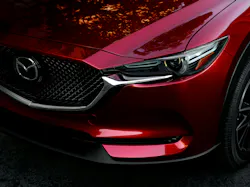
Scan the parking lot at your child's or grandchild's soccer match, and you're likely to see a sea of monochromatic SUVs in white or various shades of gray. But although they remain the most popular, OEMs continue to introduce vibrant, visually interesting special-effect colors that often require multiple stages or other unique procedures. Some have been around for more than a decade, but they continue to create challenges for painters not experienced in their application.
For this topic, ABRN called upon the experts at PPG and 3M's Skills Development Center for their views on what can provide the greatest chances of success in the paint booth. Their articles, which follow, provide some common pointers, but they also differ slightly in their approach.
As PPG's Steven Matthews notes, preparing for these complex finishes should begin before the vehicle reaches the booth to include digital color tools, sprayout cards, and letdown panels, plus often planning to extend the blend area.
3M's Troy Knopik and Michael Nelson agree on the importance of sprayouts and letdown panels, but they also focus on the prepping process. 3M's instructors teach painting processes using multiple manufacturers' products, and they note that each manufacturer specifies the grit you should use to finish panels, which can be as fine as 3000 grit on blend areas. They also cover gun selection and flash times.
These multi-stage colors often give painters cause for pause, but with training, repetition, and process discipline, they can grow more confident.
We hope you and your team find these tips to be helpful in your quest to achieve invisible repairs and proper compensation for the additional steps required in their processes.
About the Author
 Jay Sicht
Jay Sicht
Editor-in-Chief, FenderBender and ABRN
Jay Sicht is editor-in-chief of FenderBender and ABRN. He has worked in the automotive aftermarket for more than 30 years, including in a number of sales and technical support roles in paint/parts distribution and service/repair. He has a bachelor's degree in journalism from the University of Central Missouri with a minor in aviation, and as a writer and editor, he has covered all segments of the automotive aftermarket for more than 22 of those years, including formerly serving as editor-in-chief of Motor Age and Aftermarket Business World. Connect with him on LinkedIn.
Don't miss Jay's next article or podcast. Sign up for FenderBender Today's Collision Repair News and ABRN eNews here.