Precision and profitability for special-effect color refinishing
Key Highlights
- Special-effect colors require a structured approach, including pre-application validation and mid-coat let-down panels to ensure color accuracy.
- Understanding the differences between factory and refinish spray systems helps technicians adapt techniques for better results and efficiency.
- Common mistakes such as skipping validation steps or rushing the blend process can lead to color mismatches; attention to fundamentals is crucial.
- Digital tools like PPG DigiMatch and VisualizID streamline color matching, but complex colors may still need targeted verification steps.
- Proper documentation, communication, and adherence to technical data enable shops to charge appropriately and deliver consistent, high-quality repairs.
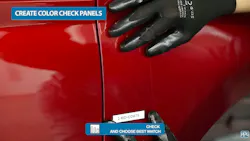
Automotive color design has changed dramatically in the past decade. Many automotive manufacturers now rely on layered coatings that create depth, movement, and color travel that simple metallic finishes cannot achieve. These finishes attract buyers in the showroom. They also create new challenges in the collision repair shop.
Painters often pause when a vehicle with a special-effect color enters the shop. Hesitation usually comes from uncertainty rather than true difficulty. Multi-layer colors require planning, discipline, and not guesswork. When technicians follow a structured process, these repairs become predictable and profitable. Mazda’s 46V Soul Crystal Red provides a useful example of how modern multi-layer colors work and how technicians can approach them in a repair environment.
A practical approach
Consider Mazda’s 46V Soul Crystal Red as an example. Preparation starts before the vehicle reaches the spray booth. In most repairs, digital color tools such as PPG DigiMatch and PPG VisualizID provide an accurate starting point and often eliminate the need for traditional multi-step verification. However, for complex special-effect colors, additional validation steps can still be beneficial. Technicians may begin with a sprayout card using the same spray technique planned for the repair. The sprayout can help confirm the formula selection and establish a baseline for comparison against the vehicle.
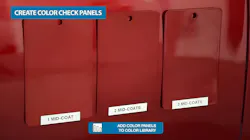
Next, the technician should create a mid-coat let-down panel. This panel contains several incremental layers of the translucent mid-coat. One section may receive two passes. Another receives three. The next receives four. This simple step removes guesswork. The painter can place the panel against the vehicle and determine which layer count matches the original finish.
The technician should also evaluate blend space before spraying the vehicle. Multi-layer colors often require blending into adjacent panels to produce a natural transition. The painter should check whether there is enough room to blend the paint smoothly into nearby panels. If there isn’t, the repair plan may need to be changed before painting begins.
These preparation steps take time, but they prevent expensive corrections later.
Factory application differs from refinish application
Technicians sometimes try to match the manufacturer's exact process. However, collision repair equipment works very differently from factory paint systems.
Automotive manufacturers often use turbo bell atomizers that spin at 35,000 RPM. These systems atomize coatings to an extremely fine level and apply very thin layers. Many systems also rely on an electrostatic application that pulls paint particles toward the panel surface.
The spray pattern from these devices forms a cone shape rather than the fan pattern produced by a conventional spray gun.
In contrast, refinish technicians work with handheld spray guns that produce thicker film builds. Technique and orientation influence coverage much more than in an automated factory system.
This difference becomes easier to understand when compared with a traditional candy finish used in custom painting. Candy finishes rely on a reflective metallic or silver base, followed by multiple layers of a transparent tinted coating. Each additional layer deepens the color and creates the rich “candy” appearance often seen on show cars or custom motorcycles.
Many modern OEM special-effect colors operate on a similar visual principle. They use a reflective basecoat followed by a translucent mid-coat that controls color depth and movement. The difference lies in the need for repeatability and production efficiency.
For that reason, refinish systems often include a dedicated mid-coat layer that helps recreate the depth and color movement seen on the production vehicle.
The goal of collision repair is not to duplicate the factory process. The goal is to reproduce the visual effect.
A painter’s hesitation often stems from uncertainty
Many technicians hesitate when they see a multi-stage color on the repair order. The hesitation usually stems from limited experience with the process. Some painters worry that the job will consume excessive booth time. Others worry that the color will not match.
Most of these concerns fade after a few successful repairs. Once painters understand how the layers interact, the process becomes predictable. Preparation and verification replace uncertainty. That’s why training and repetition play an important role in quickly building confidence.
Common mistakes lead to problems
Most issues with special-effect colors result from skipped steps rather than technical limitations.
The first mistake is skipping the sprayouts when additional validation is required. Without that verification, the technician enters the booth without confirming color accuracy. Another common error involves ignoring the mid-coat let-down. The painter then guesses how many layers will match the vehicle. Even small variations can produce noticeable differences in color tone.
Panel selection also matters. Repairs that leave little room for blending often create visible color breaks. Technicians should evaluate the repair area early and confirm that adequate blend space exists.
Finally, some painters rush the blend process. A controlled transition across adjacent panels remains the most reliable way to hide minor color differences. Attention to fundamentals prevents most mismatches.
Best practices for color matching
Modern color matching relies on a combination of technology and technician skill.
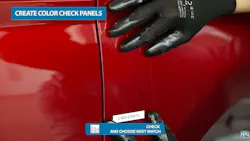
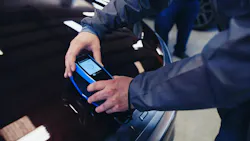
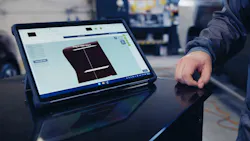
Digital color tools, such as PPG DigiMatch spectrophotometer, cloud-based digital color software PPG LINQ Color with PPG VisualizID digital color visualization tool, help technicians identify the closest color variant. These systems analyze the existing finish, compare it with thousands of stored formulas and guide the technician to the best starting point for the repair. In most standard repairs, these digital tools can replace traditional sprayouts and significantly reduce process time.
For more complex special-effect colors, technicians may still choose to perform targeted verification steps, such as sprayout cards or let-down panels. Adequate blend space also plays a critical role. Blending into adjacent panels allows the painter to transition color gradually rather than forcing a hard-edge match.
Technicians should also review product technical data and application guidelines before spraying. Technical bulletins provide valuable guidance on film build, flash times and recommended techniques.
How to charge properly?
Special-effect finishes often involve more than a simple basecoat and clearcoat repair.
In some cases, the special-effect finish could require two full processes. This is commonly referred to as a “quad-coat.” In this situation, the technician may sand and seal the repair area then apply clear. After that stage, the surface of the repair area would require additional sanding with finer-grit sandpaper once it has dried, before the technician applies the color layers and final clearcoat. Each step requires labor, booth time and materials.
Shops should document these steps clearly during the estimating process. Mixing room software can help track material usage. Photo documentation can help explain the process when questions arise.
Communication between estimators and painters remains essential. When the estimating team understands the required steps, they can write a repair plan that reflects the real effort involved. When shops approach these repairs correctly, they can charge appropriately for the skill and time required.
Process drives results
Special-effect finishes will continue to grow in popularity as manufacturers push automotive color design forward. These finishes highlight the craftsmanship of today’s technicians. They also reward shops that focus on preparation and process.
Special‑effect finishes require planning, accuracy, patience and communication. While digital tools now handle most color matching needs, technicians who perform extra validation steps when needed remove much of the uncertainty from the repair. With the right preparation, these visually complex colors become routine work rather than high-risk jobs. With proper planning and documentation, shops can deliver exceptional results and charge appropriately for the skill involved.
About the Author

Steven Matthews
Technical and Training Director, Americas, Automotive Refinish
Steven Matthews is a PPG technical and training director, Americas, Automotive Refinish. He brings more than two decades of experience in the coatings industry, including technical, operations and field support roles at PPG. For more on the Automotive Refinish business, visit here.